
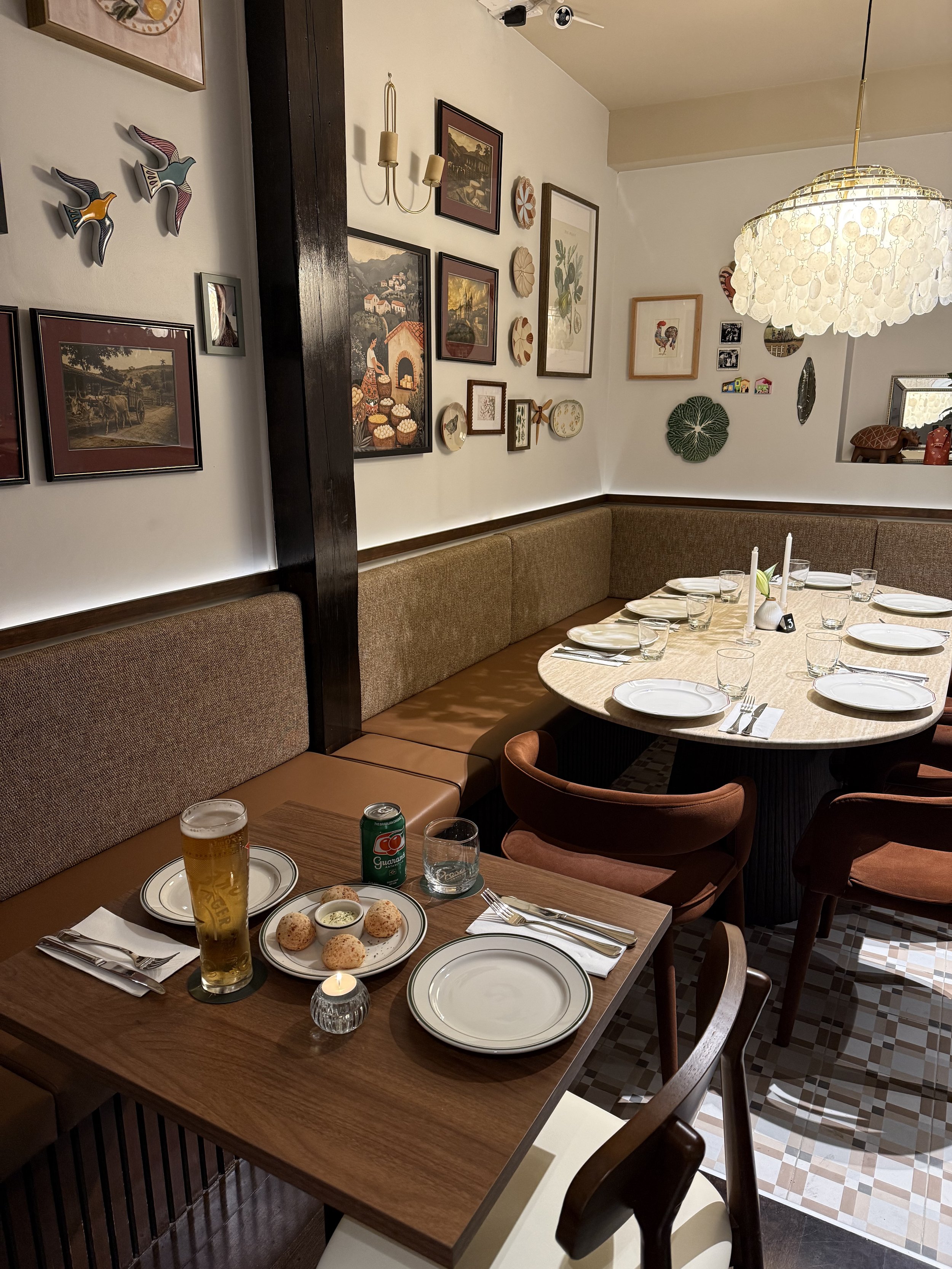
More than a restaurant.
A new concept of Brazilian experience has just arrived in Collingwood.
Four unique rooms, inspired by four regions and energies of Brazil.
Come and try our delicious and nutritional cuisine surrounded by good vibes, helpful staff and unique decor.
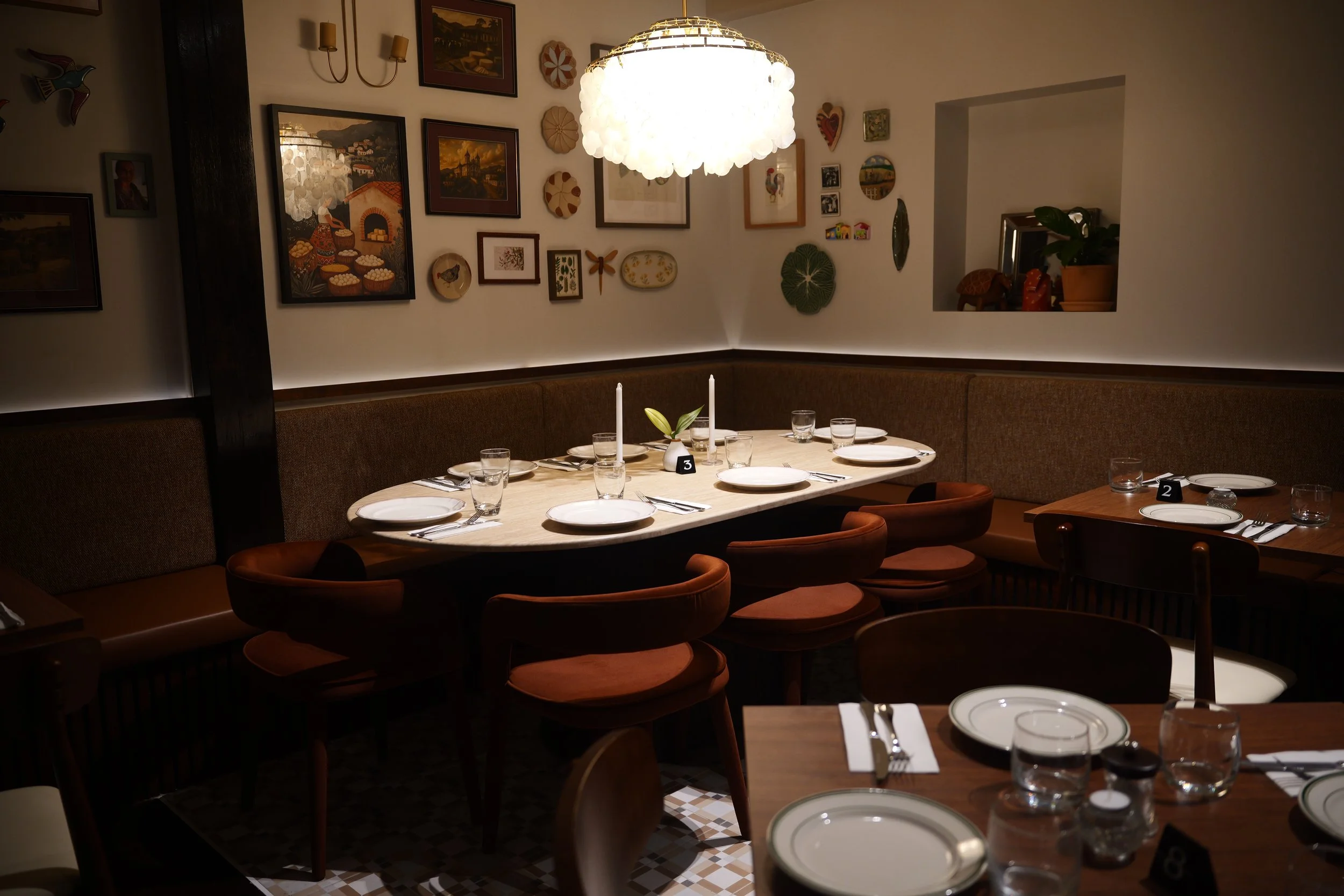
Sala Minas Gerais

Bar Brazil
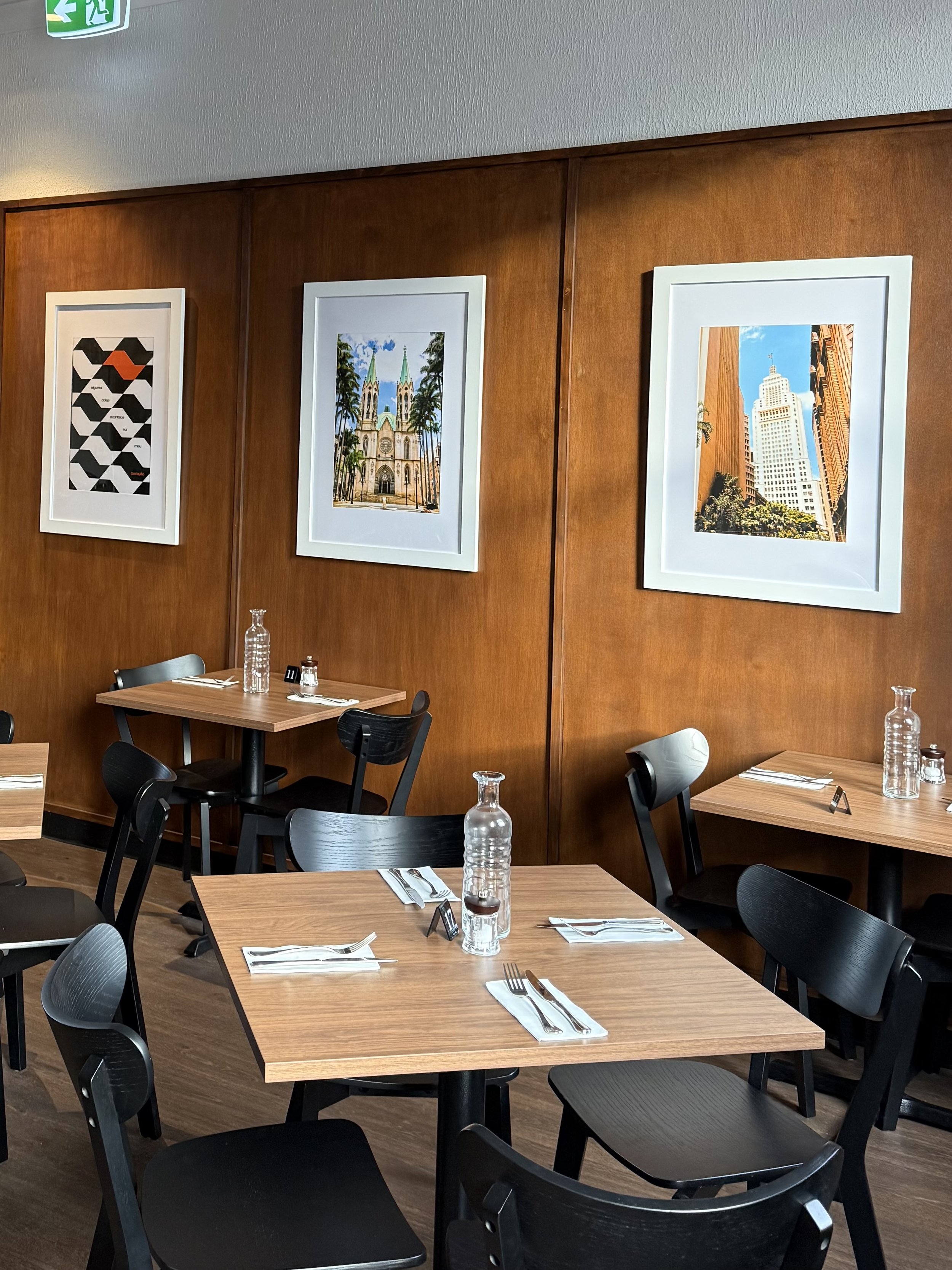
Sala São Paulo

Patio Rio de Janeiro (work in progress)
Did you know?
Brazilian food is known as one of the healthiest traditional cuisines, particularly the everyday Brazilian home cooking.
There are several good nutritional reasons for this. Here are some reasons for you to note before you ask us again ‘Why are Brazilians normally so thin and full of energy?’
The classic rice-and-beans combination is exceptionally balanced
The everyday Brazilian combination of arroz e feijão is nutritionally excellent.
Beans provide fibre, plant protein, iron, magnesium, potassium and folate. Rice provides carbohydrates and complements the amino-acid profile of beans, so together they provide a high-quality source of protein.
The high fibre content also slows digestion, improves satiety and moderates the blood-sugar response compared with eating refined carbohydrates alone.
Beans are eaten much more routinely than in many Western diets
This is probably one of Brazil’s biggest nutritional advantages.
Legumes are associated with better dietary fibre intake and can help with cholesterol, blood-sugar control and satiety. In many countries people are encouraged to “eat more legumes.”
Brazilian cuisine traditionally doesn’t need that advice — feijão is already an everyday food.
Traditional Brazilian food doesn’t demonise carbohydrates
Rice, beans, cassava, corn and potatoes provide carbohydrates, but traditionally they’re eaten as part of a complete meal, alongside protein, fibre and vegetables.
A plate of rice and beans behaves nutritionally very differently from obtaining the same calories from white bread, biscuits, chips or sugary cereal
Traditional Brazilian meals are based largely on minimally processed foods
The traditional Prato Feito (PF), a very common staple in Brazilian homes is composed of rice, beans, meat/fish/chicken, salad/vegetables
There usually isn’t a complicated industrial sauce or heavily processed accompaniment. Traditionally, much of the flavour comes from garlic, onion, herbs, lime, chilli and relatively simple cooking.
This fits remarkably well with modern nutritional thinking: build meals around fresh or minimally processed foods.
In fact, Brazil’s official dietary guidelines became internationally influential because instead of concentrating only on calories, fat and carbohydrates, they emphasise the degree of food processing and recommend making natural or minimally processed foods the basis of the diet.
There is extraordinary diversity of vegetables, fruits and plant foods
Brazilian cuisine includes foods such as:
cabbage, cassava, pumpkin, okra, eggplant, broccoli and palm hearts
tomatoes, onions and leafy salads
papaya, mango, pineapple, passionfruit, guava, acerola and açaí
beans, lentils, peanuts and Brazil nuts
Regional cuisines can add even greater variety.
The Brazilian way of eating matters too
Brazil’s dietary guidelines explicitly recognise something nutrition discussions sometimes overlook: how people eat.
They encourage eating regular meals, eating mindfully, and eating in company rather than constantly snacking alone on packaged food.
That is very compatible with the traditional Brazilian idea of sitting down for almoço (lunch) and having a proper meal rather than grazing throughout the day.
The picture wouldn’t be complete if we didn’t mention the dark side. Some Brazilian delicious classics don’t follow a strict healthy path, but because they are delicious, they should be eaten in moderation: coxinha, pastel, torresmo, pão de queijo, processed meats, large quantities of churrasco and of course deserts such as brigadeiro.